
Back pain during pregnancy is incredibly common, but that doesn't mean you have to put up with it.
As your baby grows, your body goes through significant changes that can affect your posture, muscles and the way you move. You might notice an ache in your lower back after a long day, discomfort when getting out of bed or pain that makes everyday activities feel more difficult.
The good news is that physiotherapy can help you understand what's causing your discomfort, manage your symptoms and feel more confident moving throughout your pregnancy.
At Kaylana Wellness Collective in Hurstville, we provide personalised pregnancy physiotherapy to support you through these changes and help you stay as comfortable and active as possible.
Key Takeaways
Back pain is common during pregnancy due to changes in body weight, movement, muscle demands and posture.
Pregnancy physiotherapy can help manage lower back pain, pelvic girdle pain and other pregnancy-related discomforts.
Treatment may include hands-on therapy, personalised exercises, movement advice and supportive garments.
Staying active with appropriate exercises, including prenatal Pilates, may help improve strength, mobility and comfort.
You don't need to wait until your pain becomes severe to seek support from a physiotherapist.

Why Is Back Pain Common During Pregnancy?
Pregnancy places new demands on your body, particularly as your baby grows.
Your centre of gravity gradually shifts, your abdominal muscles adapt to accommodate your growing bump, and your back and pelvic muscles work differently to support these changes.
Hormonal changes can also affect the tissues supporting your joints, particularly around your pelvis.
These changes are a normal part of pregnancy, but they can contribute to discomfort, especially if you're spending long periods sitting, standing or completing repetitive movements.
Some women experience occasional lower back aches, while others notice pain that affects walking, sleeping, exercising or everyday activities.
What Types of Back Pain Can Occur During Pregnancy?
Not all pregnancy-related back pain feels the same.
Lower Back Pain
You might experience aching, stiffness or discomfort across your lower back, particularly after prolonged sitting, standing or physical activity.
Pelvic Girdle Pain
Pelvic girdle pain can affect the joints around your pelvis, including the sacroiliac joints and pubic symphysis.
You may notice discomfort when walking, climbing stairs, rolling over in bed or standing on one leg.
Sciatica and Radiating Pain
Some women experience pain that travels from the lower back or buttock into the leg. This can have several causes, so it's important to have your symptoms properly assessed rather than assuming all radiating pain is sciatica.
At Kaylana Wellness Collective, our Pregnancy and Postpartum Physiotherapy services support women experiencing these common concerns throughout pregnancy.
How Can Physiotherapy Help With Back Pain During Pregnancy?
Physiotherapy takes a personalised approach to managing pregnancy-related back pain.
Rather than simply treating where you feel discomfort, your physiotherapist will look at how your body is moving, your symptoms, daily activities and the physical demands of your pregnancy.
Depending on your needs, treatment may include:
1. Hands-On Physiotherapy
Gentle manual therapy and soft tissue techniques may help reduce muscle tension, ease discomfort and improve movement.
Treatment is adapted to your pregnancy and comfort, with supportive positioning and use of the Belly Pillow to accommodate your growing bump.
2. Personalised Strengthening Exercises
Building strength around your hips, back and core can help support your changing body.
Your physiotherapist can recommend exercises suited to your stage of pregnancy, symptoms and current fitness level.
3. Posture and Movement Advice
Small changes to the way you sit, stand, lift and move can sometimes make a noticeable difference.
Your physiotherapist can help you find more comfortable ways to complete everyday activities, particularly movements that aggravate your symptoms.
4. Supportive Garments
Some women benefit from pregnancy support shorts, belly bands or pelvic support belts.
At Kaylana Wellness Collective, Alannah can assess your needs and provide personalised guidance on appropriate supportive garments.
5. Education and Self-Management
Understanding your symptoms can make pregnancy feel less overwhelming.
Physiotherapy can help you recognise movements that aggravate your pain, identify helpful strategies and develop a plan for managing discomfort between appointments.
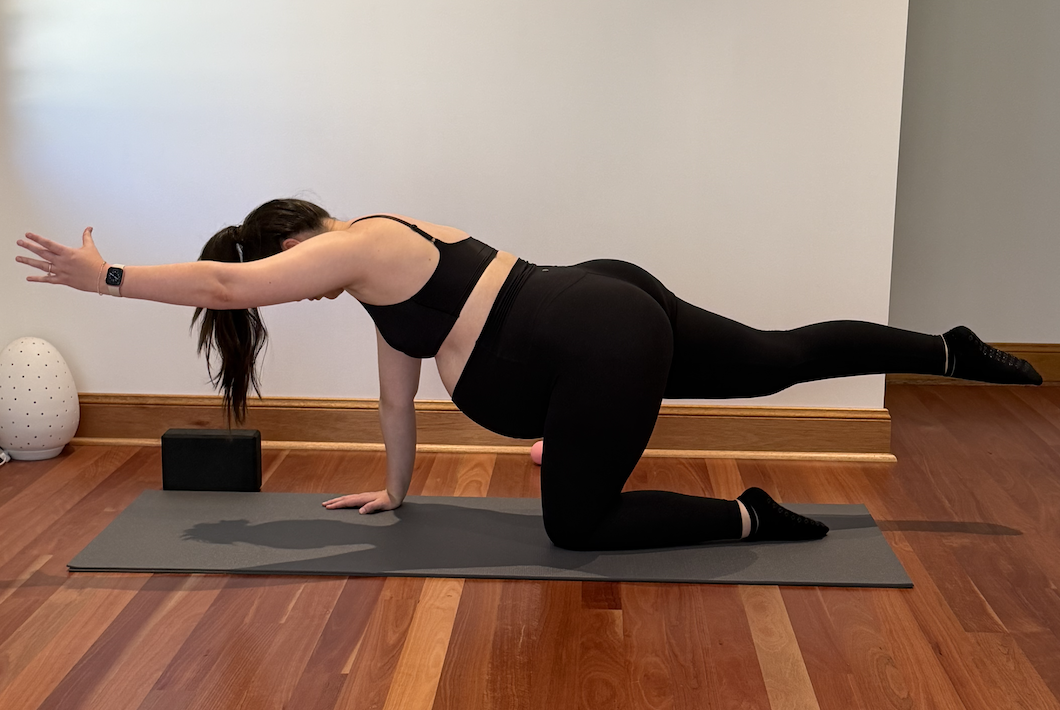
Can Pilates Help With Back Pain During Pregnancy?
For many women, Pilates can be a helpful way to stay active and maintain strength throughout pregnancy.
Prenatal Pilates focuses on controlled movement, strength, mobility and breathing, with exercises modified to accommodate your changing body.
Depending on your individual circumstances, Pilates may help you:
Maintain strength through your hips, back and core
Improve mobility and movement confidence
Support posture and everyday movement
Stay active in a comfortable, structured environment
Prepare your body for the physical demands of pregnancy and postpartum recovery
At Kaylana Wellness Collective, our Physio-Led Pilates in Hurstville includes Prenatal Mat Pilates classes designed for pregnant women. Keep an eye out for new classes added early next year!
Classes are kept small, allowing Alannah to provide guidance and exercise modifications where needed.
An initial consultation and medical clearance are required before joining.
What Can You Do at Home to Help Manage Pregnancy Back Pain?
Alongside physiotherapy, there are some simple strategies that may help make everyday life more comfortable.
Keep Moving
Gentle walking, appropriate strengthening exercises and regular movement breaks can help prevent prolonged stiffness.
Change Positions Regularly
If you spend long periods sitting or standing, try changing positions throughout the day.
Use Support When Sleeping
A pillow between your knees or supporting your bump may help you find a more comfortable sleeping position.
Modify Activities That Aggravate Pain
If certain movements are uncomfortable, such as standing on one leg, lifting or rolling in bed, your physiotherapist can suggest alternative techniques.
Avoid Pushing Through Pain
Exercise should be tailored to you and your stage of pregnancy. If an activity consistently increases your pain, seek guidance on how to modify it.
You can also explore our Free Women's Health Resources, including the Pregnancy Pelvic Girdle Pain Guide, for practical information and movement tips.
When Should You See a Physiotherapist for Pregnancy Back Pain?
You don't need to wait until back pain starts interfering with your everyday life.
Consider booking a physiotherapy appointment if:
Your lower back pain is becoming more frequent
You're struggling to get comfortable when sleeping
Walking, standing or climbing stairs is painful
You're experiencing discomfort around your pelvis or hips
You're unsure which exercises are appropriate during pregnancy
You want support staying active and preparing your body for birth
If you experience severe or sudden pain, fever, vaginal bleeding, contractions, urinary symptoms, significant weakness or changes in bladder or bowel control, seek prompt medical assessment at your nearest emergency department. These symptoms should not be assumed to be ordinary pregnancy-related back pain.
Pregnancy Physiotherapy in Hurstville
Every pregnancy is different, and your physiotherapy care should reflect that.
At Kaylana Wellness Collective, Alannah combines physiotherapy, personalised exercise and Pilates-informed movement to help women manage pregnancy-related discomfort, maintain strength and feel confident in their changing bodies.
From lower back pain and pelvic girdle pain to preparing for birth and returning to exercise postpartum, we're here to support you through every stage.
Located in Hurstville, Kaylana Wellness Collective welcomes women from surrounding St George suburbs, including Penshurst, Allawah, Kogarah, Mortdale, Oatley and Bexley.
Experiencing back pain during pregnancy?
Explore our Pregnancy and Postpartum Care or book a physiotherapy appointment with Alannah to discuss how personalised treatment and exercise can support you.
Heal. Move Well. Feel Empowered.
Disclaimer: This blog is intended for general information and educational purposes only and does not replace personalised medical advice, diagnosis or treatment. Pregnancy-related lower back pain can have a range of causes, and every pregnancy is unique. Always consult your GP, obstetrician, midwife or physiotherapist for advice and guidance on management and exercise options suited to your individual needs.