
Why Resistance Training Is Beneficial During Pregnancy — For Mothers and Their Babies
Pregnancy places unique physical demands on the body. As posture, load and biomechanics change, maintaining strength becomes an important part of supporting maternal health and preparing for birth and postpartum recovery. Current evidence supports resistance-based training as a safe and effective form of exercise during low risk pregnancies. Resistance training refers to exercises that strengthen muscles using bodyweight, resistance bands, free weights or machines. When guided by a qualified health professional such as a women’s health physiotherapist, this form of training offers meaningful benefits for both the pregnant individual and their baby.
What the latest research tells us
A 2025 systematic review and meta-analysis published in the British Journal of Sports Medicine analysed data from over 47,000 pregnant participants across 50 studies, examining the effects of resistance training on pregnancy, delivery and fetal outcomes.
The findings were compelling:
58% lower odds of gestational hypertension in those who performed resistance training
38% lower odds of gestational diabetes
52% lower odds of perinatal mood disorders, including anxiety and depression
33% lower odds of having a macrosomic (large-for-gestational-age) baby
(Prevett et al., 2025)
These results reinforce that resistance training provides meaningful benefits when performed appropriately during pregnancy.
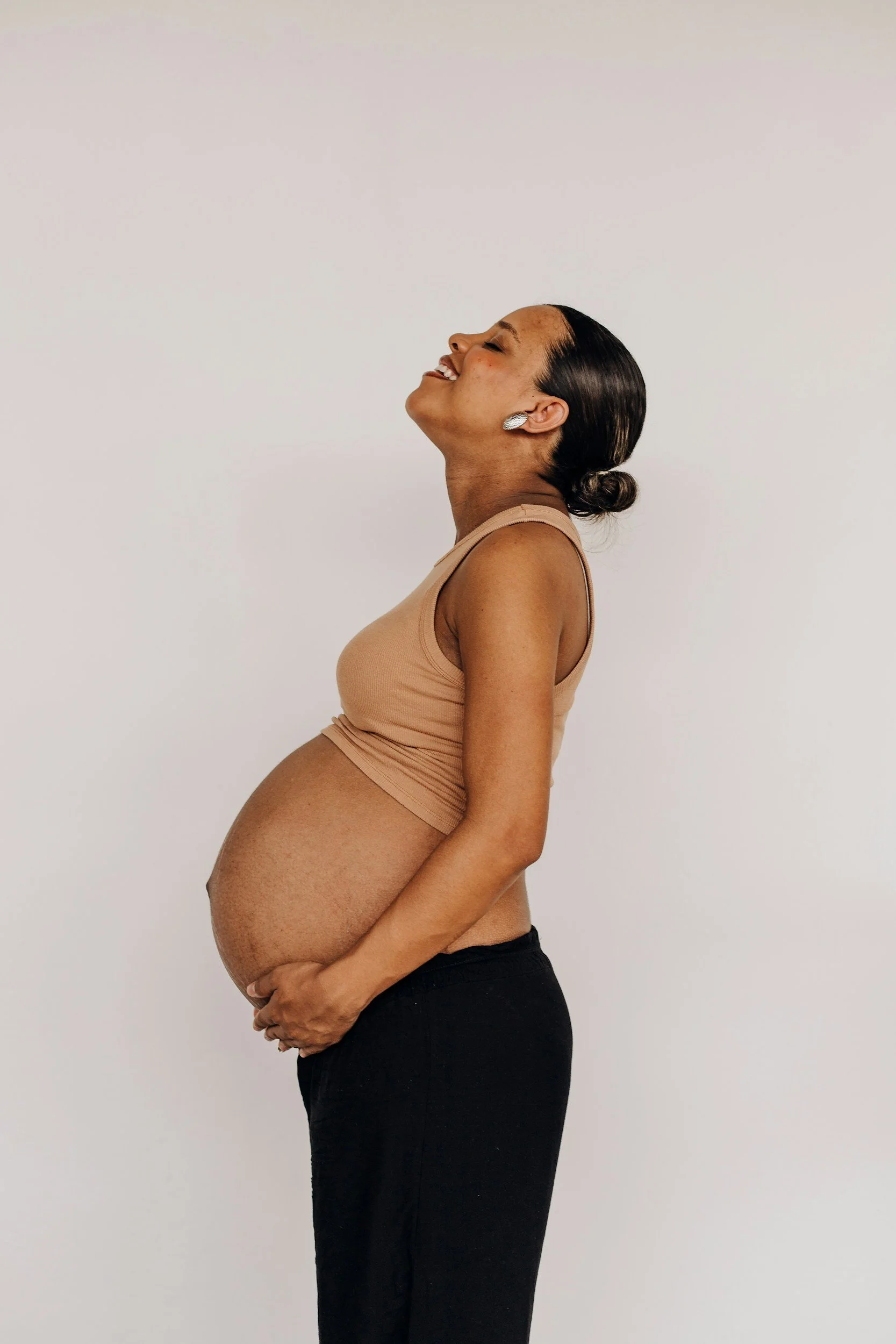
How resistance training supports the pregnant body
Resistance training improves muscular strength, joint stability and load tolerance — all essential as the body adjusts to pregnancy-related changes.
Stronger hips, trunk and upper body help support posture, reduce common issues such as low back pain, pelvic girdle pain, pelvic floor and improve confidence with daily movement.
Beyond musculoskeletal benefits, resistance training plays a role in metabolic health, improving insulin sensitivity and glucose regulation — likely contributing to the reduced rates of gestational diabetes observed in research. Mental health benefits are also well established, with structured exercise supporting mood, stress regulation and overall wellbeing during pregnancy.
Benefits for baby
Importantly, resistance training performed within clinical guidelines has not been shown to negatively impact fetal growth or wellbeing. In fact, research shows improved maternal metabolic health can help support more optimal birth weights, reducing complicated deliveries.
What does safe resistance training look like in pregnancy?
Programs may include:
Bodyweight exercises
Resistance band, weights or machine-based upper and lower limb exercises
Pilates based principles
Postural strengthening for the upper back and shoulders
Functional movements that reflect daily tasks
Key principles include controlled movement, appropriate breathing techniques and exercise modification as pregnancy progresses to monitor for things like abdominal separation and pelvic floor dysfunction.
The role of the physiotherapist guiding resistance training during pregnancy
Women’s Health Physiotherapists play a vital role in guiding resistance training during pregnancy. Through individual assessment, physios can:
Screen for contraindications or pregnancy-related conditions
Tailor exercise selection and intensity by trimester
Address pelvic girdle pain, low back pain, abdominal wall changes and pelvic floor function
Support safe progression and prepare the body for postpartum recovery
This individualised approach ensures strength training is both safe and effective.
Take-home message
Resistance training is a valuable, evidence-based component of prenatal care in low risk pregnancies. When guided by a physiotherapist, it can reduce the risk of common pregnancy complications, support physical and mental wellbeing, and promote healthier outcomes for both mother and baby.
Ready to start?
Book an initial physiotherapy session with us at Kaylana Wellness Collective in Hurstville, NSW to get a personalised, trimester-appropriate exercise advice. With professional guidance, you can stay strong, move confidently and prepare your body for birth and recovery — safely and effectively.
Disclaimer:
This information is general in nature and not a substitute for individual medical advice. Always consult your obstetric care provider and a qualified physiotherapist before commencing or modifying exercise during pregnancy.
References:
Ref: Prevett C, Gingerich J, Sivak A, Davenport MH. Resistance training in pregnancy: systematic review and meta-analysis of pregnancy, delivery, fetal and pelvic floor outcomes and call to action. Br J Sports Med. 2025 Jul 31;59(16):1173-1182. doi: 10.1136/bjsports-2024-109123. PMID: 40610191.