
Abdominal Compression Postpartum: A Physio-Led Guide
The postpartum period brings major changes to your core strength, posture and abdominal stability. Many new mums experience diastasis recti (abdominal muscle separation), pelvic floor weakness, back and pelvic pain, or simply a feeling of instability around the tummy after birth. While your body is designed to heal naturally, targeted external support with abdominal compression can help comfort, function and recovery when used alongside therapeutic exercise.
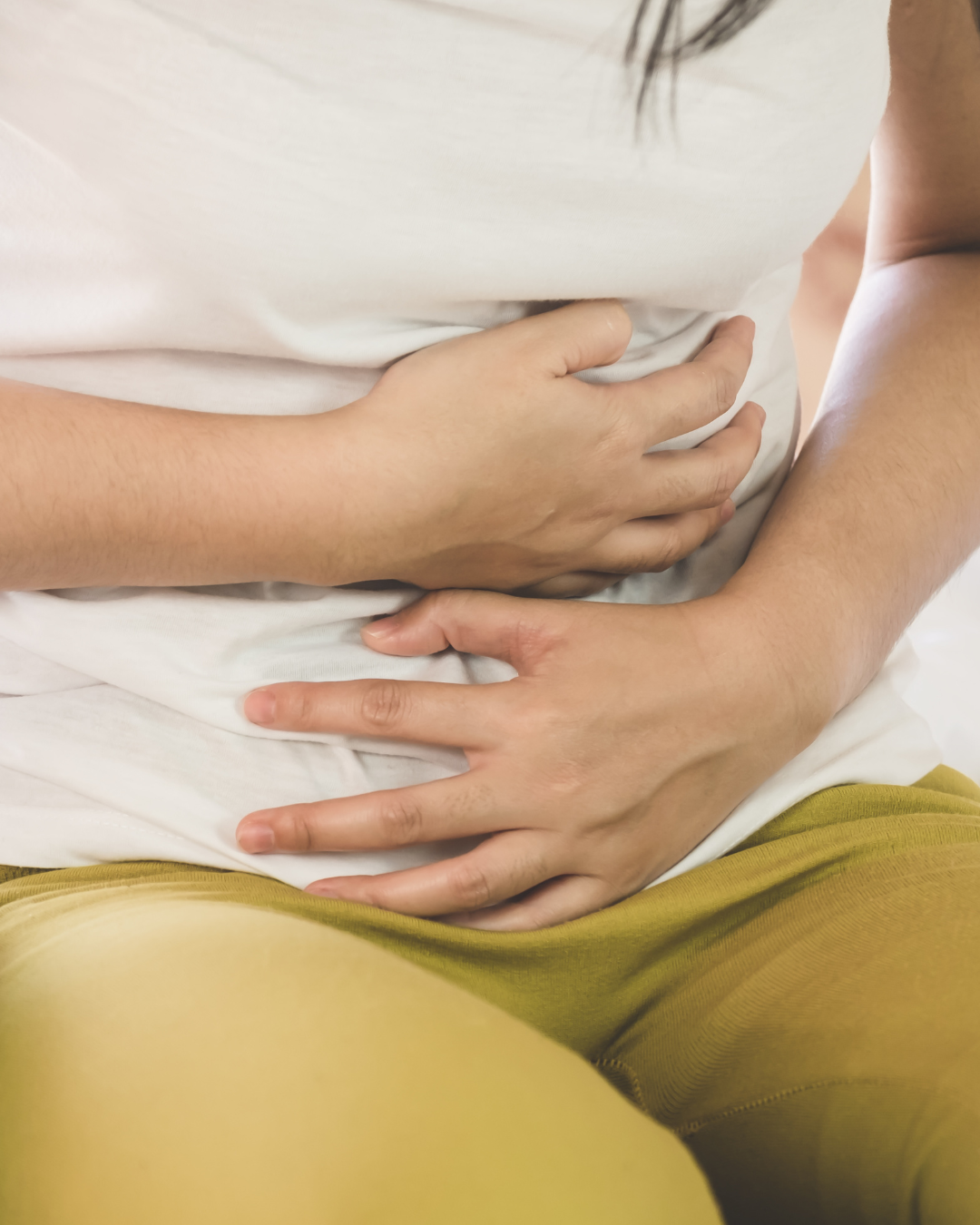
What Is Abdominal Compression Postpartum?
Abdominal compression refers to supportive garments that gently wrap or compress the belly, pelvis and lower back.
These can help:
Reduce discomfort in the early weeks after birth
Support weak abdominal muscles and the pelvic floor
Improve body awareness and posture
Alleviate lower back or pelvic pain when moving
Aid early mobility and functional tasks like feeding, walking and lifting your baby
Types of Postpartum Compression We Recommend
GRDL Tummy Tube – Gentle Early Support
The GRDL Tummy Tube is a soft, breathable abdominal tube designed by an Australian women’s health physiotherapist. It provides light, non-restrictive compression to support the tummy in the very early postpartum period, without buckles, velcro or rigidity.
Why it’s useful:
Gentle support for sensitive abdominal and pelvic tissues
Helps reduce the feeling of heaviness or instability
Comfortable under clothing and easy to tolerate early on
When we prescribe it:
Typically in the first 1–3 weeks postpartum, especially for swelling, short walks and early movement before progressing to firmer support.
Belly Band 3 in 1 – Adjustable Early Support
Belly bands, such as Belly Bandit wraps, are adjustable abdominal supports designed for postpartum recovery rather than shapewear. They offer customisable compression around the tummy and lower back.
Why they’re useful:
All-in-one support for pregnancy, postpartum, and C-section recovery
Helps minimise post-operative pain and may reduce reliance on pain medication
Adjustable compression as swelling and comfort change
Makes walking, standing, and moving more comfortable
Eligible for health fund rebates
When we prescribe them:
You can begin wearing your Belly Band in hospital as soon as your healthcare provider gives the all-clear.
SRC Recovery Garments – Medical-Grade Compression
SRC Postpartum Recovery Leggings and Shorts provide targeted, anatomical compression to the abdomen, pelvis and lower back using patented support panels, designed by an Australian Obstetrician.
Why they’re useful:
Structured support for abdominal separation, C-section recovery and pelvic girdle stability (Note: they have a specific C-section garment available now via their website).
Comfortable for longer wear and light activity
No zips, buttons or velcro
Health fund rebates available
When we prescribe them:
After the acute recovery phase, it offers day-long support, especially when returning to walking, gentle exercise or managing ongoing symptoms.
Everform Therapywear – Medical-Grade Compression
Everform Postpartum Recovery garments use patented FemmeCore™ compression to support the abdomen and pelvic floor while remaining comfortable and wearable for daily life, designed by an Australian Women’s Health Physiotherapist.
Why they’re useful:
Supports pelvic floor and abdominal muscles together
Suitable for C-section recovery
Helpful for perineal wounds, pelvic heaviness, mild incontinence or back pain
Designed to support movement, not restrict it
Health fund rebates available
When we prescribe them:
For Early postpartum / pregnancy symptoms: Wear for up to 8+ hours a day, as long as it feels comfortable. After early recovery: for ongoing support during stronger activity, 1–2 hours a day is enough.
When to Seek Postpartum Support
We recommend booking an appointment from 34–36 weeks of pregnancy with a women’s health physiotherapist to discuss compression garment options and plan for your postpartum recovery.
After birth, we offer telehealth consultations from week 2, helping you use gentle support and early exercises safely at home.
From 6 weeks postpartum, we suggest an in‑clinic check to assess:
Abdominal wall function
Diastasis recti
Pelvic floor strength and coordination
Breathing patterns
Movement strategies for daily life and exercise
Review which compression garment is most suitable for your stage
This staged approach ensures you get the right support at the right time, combining garments with physiotherapy for a safe and effective recovery.
Ready to find the right postpartum support for you?
Book a personalised physiotherapy assessment and we’ll help you choose the best compression garment for your stage of recovery, while guiding your core and pelvic floor rehabilitation for a safer, stronger return to daily life postpartum.
Disclaimer: This blog is for educational purposes only and does not replace personalised medical advice. Always consult a qualified physiotherapist, healthcare professional, or your doctor before starting postpartum exercises or using compression garments, especially after surgery or if you have any complications. Individual recovery needs may vary.