Thank You for Your Enquiry
I’ve received your message and appreciate you reaching out.
I’m currently on maternity leave until October 2026, so you may receive a response closer to her return date. Thank you for your patience and understanding during this time.
In the meantime, we invite you to explore our Resource Hub below.
We look forward to connecting with you soon.
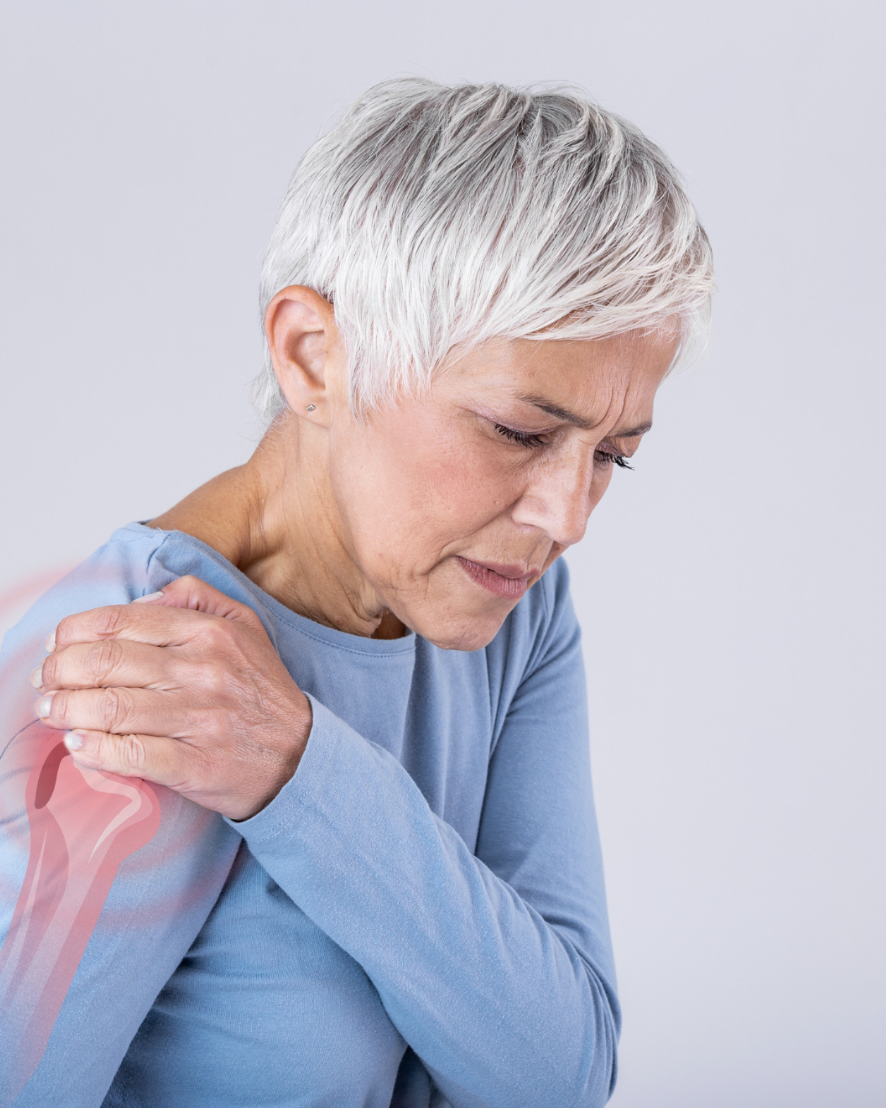
If you’re a women in your 40s or 50s and noticing a stiff, painful shoulder that’s becoming harder to move, it could be frozen shoulder (adhesive capsulitis). This condition often develops gradually and without a clear injury, and is particularly common during perimenopause and menopause. In this blog, we explore the link between hormonal changes and frozen shoulder, common symptoms, stages of recovery, and how physiotherapy and allied health support can help you regain movement, reduce pain, and restore confidence in your shoulder.
Did you know that 30% of adults over 65 will experience a fall — and that risk rises significantly for women with osteoporosis? Falls can lead to fractures, loss of independence, and decreased confidence. The LIFTMOR study shows that high-intensity, supervised resistance and impact exercises can safely improve bone density, strength, and functional stability, helping reduce fall risk. Learn more here.
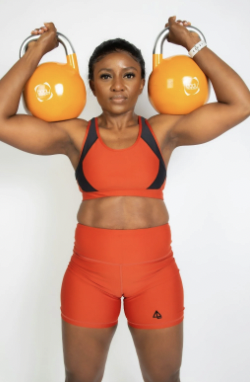
Pregnancy doesn’t mean putting your strength on pause — in fact, maintaining and building muscle can be one of the best things you do for yourself and your baby. Research shows that resistance training during low risk pregnancies can lower the risk of gestational diabetes, gestational hypertension, perinatal mood disorders, and even support healthier birth weights. Learn more here.
Learn how postpartum abdominal compression works alongside physiotherapy-led exercises to support recovery, including ways to address abdominal separation early postpartum. Discover when to start using compression garments and why a 6-week postpartum check is key for safely rebuilding core and pelvic floor strength.
Planning a hip or knee replacement in 2026? Discover how the GLA:D® program in Hurstville can help with prehab and post-op physiotherapy. Improve joint strength, mobility, and recovery with expert-guided exercises and education tailored to your needs.
Struggling to recover from an injury despite doing all the right things? Sleep might be the missing link. In this Hurstville physio guide, we unpack how quality rest boosts healing, reduces pain, and supports a smoother, faster return to movement.