
C-Section Scar Recovery: A Physiotherapist's Perspective
As a physiotherapist, I've supported many women through their postpartum recovery. Recently, I experienced an unplanned C-section myself, and it gave me a whole new appreciation for the physical and emotional recovery that follows.
A C-section scar is more than just a scar on the skin. It represents major abdominal surgery, and the way we care for our scar can influence your comfort, movement, confidence, and recovery in the weeks and months ahead.
At Kaylana Wellness Collective, we take a whole-person approach to C-section recovery, combining evidence-based physiotherapy with compassionate support tailored to your unique experience.
The First 0–6 Weeks: Protect, Support, and Heal
During the early postpartum period, your body's priority is healing and bonding with your baby.
1. Wound Care
Your dressing is typically left in place for the first 7 days. It's waterproof and safe to shower with, but if it becomes loose, wet, or starts lifting, contact your GP, midwife, or obstetric team.
A few practical tips that I found helpful during my own recovery:
Wear high-waisted underwear (1-2 sizes bigger than your normal size).
Always wash your hands before checking the wound.
Once the dressing is removed, gently wash the area with water and pat dry. Allow the scar some time exposed to the air each day to help keep the area dry and support healing.
Avoid powders, sprays, or creams for the first 6 weeks, unless specifically advised by your healthcare team.
Taking progress photos can help you monitor healing over time if you are concerned about your scar healing.
Seek medical advice if you notice increasing redness, swelling, discharge, worsening pain, or develop a fever.
2. Support Your Abdominal Wall
Simple strategies can make everyday movements more comfortable while your tissues heal:
In hospital make use of the overhead bed pole to assist with getting out of bed.
Use the log roll technique when getting in and out of bed if this is manageable for you.
Support your wound with a folded towel or pillow when coughing, sneezing, or laughing.
Avoid lifting anything heavier than your baby where possible.
Ask for help with household tasks and lifting during the early weeks.
A lot of women also find physiotherapy-recommended compression garments helpful for additional support and comfort during recovery. Please read more about options available here.
3. Gentle Sensory Input and Movement
It's common for the area above and below your scar to feel numb, sensitive, tight, or simply unfamiliar.
Introducing gentle sensory input above and below the scar (not directly on*) can help reduce hypersensitivity and reconnect with the area.
This may include:
Light touch with different fabrics
Genlte massage with your favourite belly oil or lotion
Deep breathing exercises
Gentle walking
Comfortable mobility exercises within your pain limits

From 6-8 Weeks Onwards:
Scar Massage and Silicone Therapy
Once your wound is fully healed and you've been cleared by your GP or obstetrician, you can begin more active scar care.
1. Scar Massage
Scar massage can help:
Improve tissue mobility
Reduce adhesions and restrictions
Decrease feelings of tightness or pulling
Support comfortable movement through the abdominal wall
How to begin:
Start by applying a small amount of belly oil or moisturiser and using gentle circular movements around the scar.
As comfort improves, you can progress to different directions—up and down, side to side, and gentle zig-zag patterns. A gua sha or jade roller can also be helpful, especially if you don’t feel comfortable directly touching your scar.
Don't forget to include the surrounding tissues, as restrictions often extend beyond the scar itself.
Aim for 1-2 minutes on most days. Mild discomfort can be normal, but pain is a sign to ease off and seek support from your physiotherapist.
2. Silicone Scar Strips
Silicone strips can help hydrate the scar and support organised collagen formation, which may improve the appearance and texture of the scar over time.
General recommendations include:
Wearing the strips for at least 12 hours per day, or up to 24 hours if tolerated
Continuing use for approximately 2–3 months
Replacing strips according to manufacturer recommendations
Washing reusable strips with warm water and allowing them to air dry
Many women begin noticing improvements after several weeks of consistent use.
3. Therapeutic Exercise
Movement is an important part of scar recovery and can also support the rehabilitation of diastasis recti (abdominal separation).
While women were traditionally told to wait until their 6-week check-up before starting rehabilitation exercises, we now know the first 12 weeks postpartum are a key window for healing. Seeking personalised guidance from a women’s health physiotherapist early can help ensure you’re supporting optimal recovery of both your C-section scar and abdominal wall. Many physiotherapists also offer telehealth consultations, which can be a helpful option in those early postpartum weeks.
As physiotherapists, we don't just focus on the scar itself—we look at how the entire core system is functioning, including the diaphragm, deep abdominals, pelvic floor, and any diastasis recti that may be present.
Therapeutic exercise can help:
Gently load healing tissues
Restore coordination between the diaphragm, deep abdominals, and pelvic floor
Support recovery of diastasis recti and abdominal wall function
Improve circulation and tissue hydration
Build confidence returning to daily activities and exercise
Reduce pain
Every recovery is different, which is why exercise should be tailored to your individual symptoms, goals, and stage of healing.
Early exercise examples may include:
Diaphragmatic breathing
Pelvic tilts
Heel slides
Cat-cow
Book openings
There should be no pain when performing each exercise and stretches should only be performed to the onset of the stretch. Progression should always be individualised by your physiotherapist, based on your recovery, symptoms, goals, and stages of healing.
Please Note Internal Healing Timelines Are Much Longer
Deeper tissues are still very much in the healing and remodelling phase.
0–12 weeks: Early tissue healing phase. The abdominal wall, fascia, and deeper layers are still healing and gradually regaining load tolerance.
3–6 months: Ongoing remodelling and strengthening phase, where scar tissue continues to reorganise and become more flexible.
6–12+ months: Final maturation phase, where tissue strength and elasticity continue to improve and adapt to load.
So while things may look “healed” on the outside at 6 weeks, the inside is still actively rebuilding.
Why Whole-Body Scar Care Matters
A C-section scar doesn't exist in isolation. Restrictions through the abdominal wall and diaphragm can strongly influence posture, movement, breathing mechanics, and pelvic floor function. That's why our physiotherapy approach considers the whole body rather than focusing solely on the scar.
At Kaylana Wellness Collective, we can help with:
Education around wound care and scar management
Guidance on silicone therapy and compression garments
Individualised postpartum rehabilitation programs
Progressive return to exercise
Referrals to trusted massage therapists for additional scar release techniques when appropriate
Key Takeaways
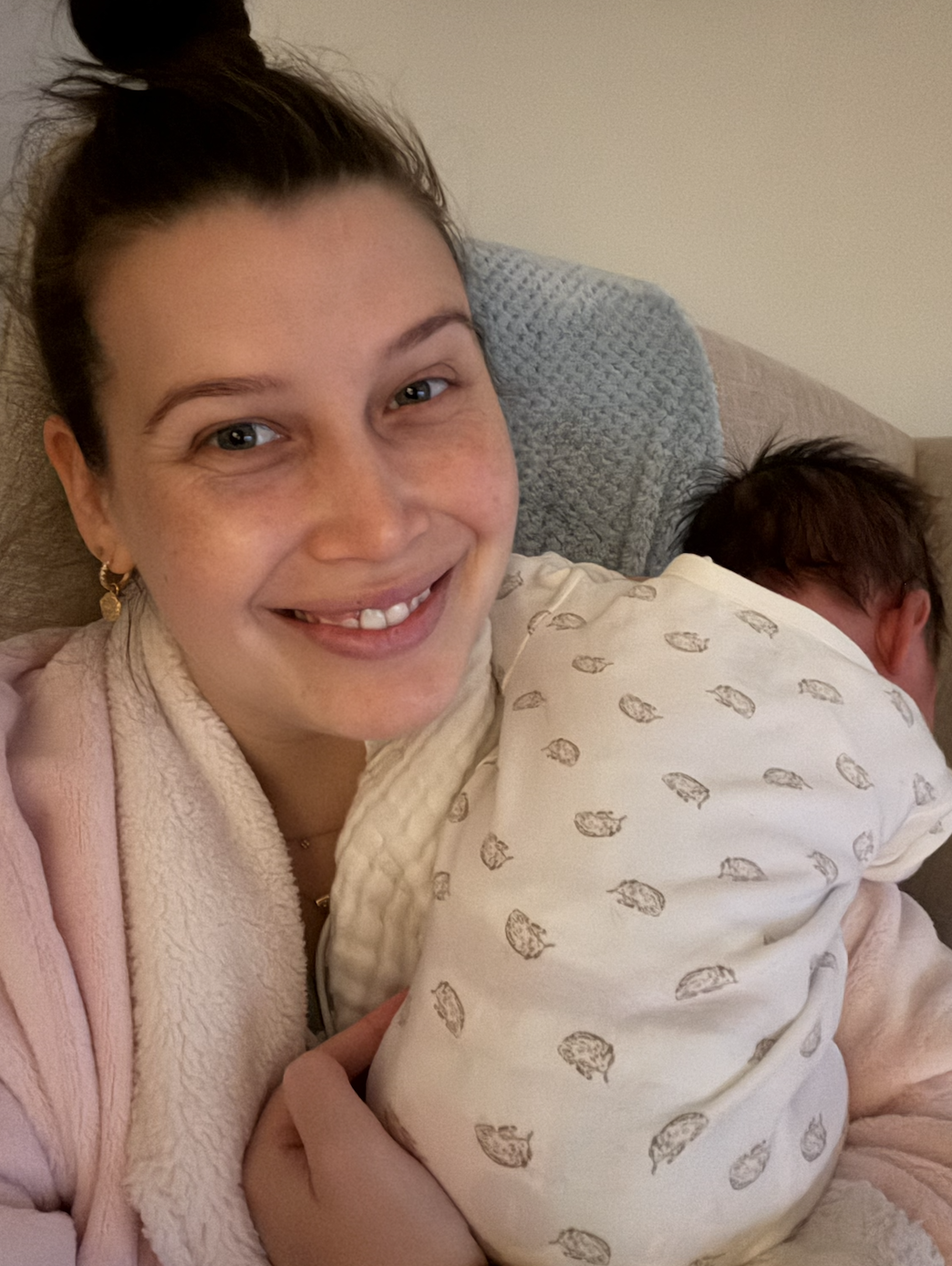
Having recently navigated an unplanned C-section myself, I’ve gained an even deeper appreciation for the patience, support, and gradual progression recovery requires.
The first 6 weeks are about bonding with your baby, protecting healing tissues and supporting recovery.
Individualised physiotherapy can help you move confidently through each stage of recovery.
Once medically cleared, scar massage and silicone therapy can be introduced.
Every C-section recovery is different, and there is no single timeline that fits everyone.
Whether you’re six weeks postpartum or six months postpartum, it’s never too late to seek guidance and support for your scar and recovery journey.
If you’d like more support, download our free Postpartum Guide here. It includes helpful advice for the first 6 weeks postpartum, including a walking and pelvic floor guide.
You’re doing so well, Mama!
Disclaimer: This information is for educational purposes only and is not a substitute for personalised medical advice. Always consult your GP, obstetrician, midwife, or physiotherapist before commencing scar massage, silicone therapy, compression garments, or postpartum exercise.